MGW Glass
Self-cleaning glass represents a significant innovation in building materials. Its ability to reduce cleaning efforts attracts many homeowners and architects alike. Yet, many ask, "what are the maintenance requirements for self-cleaning glass?" According to the Glass and Glazing Federation, proper maintenance can enhance its performance and lifespan.
Industry expert Dr. Emily Jensen emphasizes, "Even self-cleaning glass requires basic care to function effectively." Regular inspections help identify any damages or build-up that may impair its self-cleaning properties. Reports indicate that neglected glass can lose up to 20% of its effectiveness over time. This highlights the need for a balance between the perceived low maintenance and actual upkeep required.
Understanding "what are the maintenance requirements for self-cleaning glass" goes beyond mere cleaning. Factors like environmental exposure and location play key roles too. For those who install this glass, knowing how to maintain it is crucial. Adequate maintenance practices ensure that homeowners enjoy the benefits of this technology while avoiding pitfalls that can diminish its advantages.
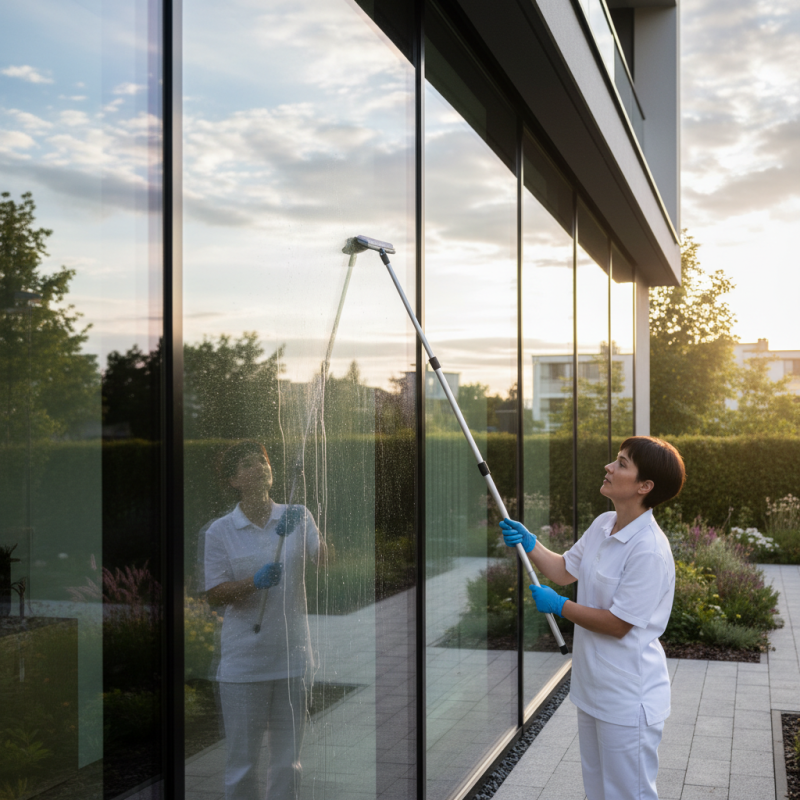
Self-cleaning glass has gained popularity for its innovative design and practical benefits. This type of glass uses a special coating that reacts with sunlight to break down dirt and grime. According to a 2023 industry report, self-cleaning glass can reduce cleaning frequency by up to 80%. This efficiency saves both time and resources, making it a preferred choice for many homeowners.
The technology behind self-cleaning glass can sometimes be misunderstood. While it simplifies maintenance, it does not eliminate the need for regular checks. For optimal performance, occasional washing may be required, especially in areas with high pollution. Experts recommend a gentle rinse with water for best results. Also, factors like climate and surrounding environment can impact the glass’s effectiveness. For instance, excessive dust or pollen may necessitate more frequent maintenance.
Moreover, it is crucial to consider safety aspects. Some self-cleaning glass options may become discolored or show wear over time. Regular inspections can help identify these issues early, allowing for timely action. The balance between convenience and necessary upkeep remains an important topic in discussions about self-cleaning glass. Understanding these nuances helps homeowners make informed decisions while enjoying the benefits of this advanced material.
Self-cleaning glass utilizes advanced technology to maintain cleanliness with minimal effort. It features a special coating that reacts with sunlight. This coating breaks down organic dirt and grime, making it easier to wash away. When rain falls, it helps to wash away the loosened debris effortlessly. This process reduces the need for constant cleaning, but it does not eliminate it entirely.
While self-cleaning glass is efficient, it's important to acknowledge its limitations. It may struggle with stubborn stains, especially from hard water or environmental pollutants. Regular maintenance is still necessary to keep the glass looking its best. Occasionally, a gentle scrub may be required in places where dirt accumulates. The durability of the coating can also diminish over time, necessitating careful handling during cleaning.
Understanding how this technology works is crucial for homeowners. The photochemical reaction occurs when UV rays hit the surface. Awareness of this process can lead to better expectations regarding the glass's performance. While self-cleaning glass offers convenience, it is not a replacement for human effort. Occasional inspection and care can enhance its longevity and effectiveness.
| Maintenance Task | Frequency | Notes |
|---|---|---|
| Regular Inspections | Every 6 months | Check for dirt buildup or damage |
| Light Cleaning | As needed | Use mild soap and water on heavily soiled areas |
| Chemical Treatment | Annually | Reapply self-cleaning coating if degradation occurs |
| Debris Removal | After storms or heavy winds | Remove leaves, twigs, and other debris |
| Professional Maintenance | Every 2-3 years | Consider hiring professionals for in-depth cleaning |
Self-cleaning glass technology has transformed the way we maintain windows. While it significantly reduces the need for manual cleaning, some maintenance practices are essential to keep it functioning correctly. According to a study by the Glass Association, up to 80% of dirt can be effectively removed through the self-cleaning process when properly maintained.
Regular inspections are key. Check the glass surfaces at least twice a year for buildup of debris. A soft cloth or sponge can help remove stubborn particles. Using harsh chemicals may damage the coating. Consider using a pH-neutral cleaner that’s safe for self-cleaning glass. Sometimes, exposure to continuous rainfall can be insufficient for optimal cleaning. Therefore, a light rinse with water might be necessary to enhance the cleaning performance.
Tips: Always keep the glass surface free from large particles. Cleaning with a soft touch ensures the coating remains intact. Avoid using abrasive materials, as they can cause scratches. Remember, moisture and sunlight interact with the coating, activating its cleaning properties. However, excessive dirt or grime can hinder performance.
Monitoring performance is crucial. If you notice that dirt doesn’t wash away easily, it might be time for professional assistance. Self-cleaning glass is not maintenance-free; it requires care to maximize its benefits.
Self-cleaning glass is often misunderstood. Many believe it requires no maintenance at all. In reality, it needs regular care to function properly. A quick rinse with water helps remove larger debris. The glass can also benefit from periodic gentle cleaning. Simple soap and water can keep the surface clear.
Some assume that rain will do all the cleaning. While rain can help, it isn’t a substitute for human intervention. Dust, pollen, and bird droppings can still cling to the glass. These substances may cause stains if left unattended. Keeping the glass clean ensures it remains effective.
Over-relying on its self-cleaning feature might lead to problems. Many users notice streaks and spots, which can be frustrating. It’s important to supplement the self-cleaning process with regular maintenance. This prevents dirt buildup, ensuring the glass looks its best. Understanding this balance is key to enjoying the benefits of self-cleaning glass.
Self-cleaning glass is a marvel of modern technology, requiring less upkeep than regular glass. Its self-cleaning properties arise from a special coating that breaks down dirt and grime. However, to maximize its effectiveness, certain maintenance practices are essential.
One helpful tip is to regularly rinse the glass with water. This will help remove loose dirt and debris. Rainwater can also enhance the cleaning process, as it naturally works with the glass's coating. Be cautious, though. Excessive dirt buildup before rinsing can hinder the self-cleaning ability.
Another useful approach involves monitoring the glass's surroundings. Nearby trees or plants can drop leaves, pollen, and other debris. Trimming back any overhanging branches can help reduce this. Additionally, the angle at which the glass is installed plays a role. If not angled properly, dirt may accumulate more easily. Regularly check the installation angle if possible.
This chart illustrates the various maintenance requirements for self-cleaning glass, showing the estimated amount of time dedicated to each maintenance task per year. Regular cleaning and inspections are crucial for maintaining the effectiveness of self-cleaning technology.
: Inspect at least twice a year for debris buildup. Regular checks help maintain its effectiveness.
A soft cloth or sponge works best. Avoid harsh chemicals that can damage the coating.
Rain may not be enough. Sometimes a light rinse with water helps enhance cleaning performance.
If dirt doesn’t wash away easily, consider seeking professional assistance for better results.
Excessive dirt or grime can obstruct its cleaning ability. Regular maintenance is essential.
No, it still requires care. Regular maintenance is necessary to maximize its benefits.
Nearby trees or plants dropping debris can contribute to dirt accumulation. Trim branches when needed.
Yes, improper angles can lead to more dirt accumulation. Check the angle periodically.
Avoid using abrasive materials and harsh chemicals. They can scratch or damage the special coating.
Moisture activates the coating’s cleaning properties. Sunlight also plays a role in this interaction.
Self-cleaning glass is an innovative technology designed to reduce the frequency of maintenance needed to keep windows clean. To answer the question, "what are the maintenance requirements for self-cleaning glass?", it is essential to understand that while this type of glass greatly facilitates cleanliness, it still requires some basic care. Regular rinsing with water and periodic inspections are recommended to ensure optimal functioning.
Additionally, it is important to clarify some common misconceptions about self-cleaning glass care. While it can actively break down dirt and grime, residents should not expect it to remain perfectly clean without any assistance. By following simple guidelines and taking advantage of the technology, users can maximize the effectiveness of self-cleaning glass, ensuring that it maintains its aesthetic and functional properties over time.
